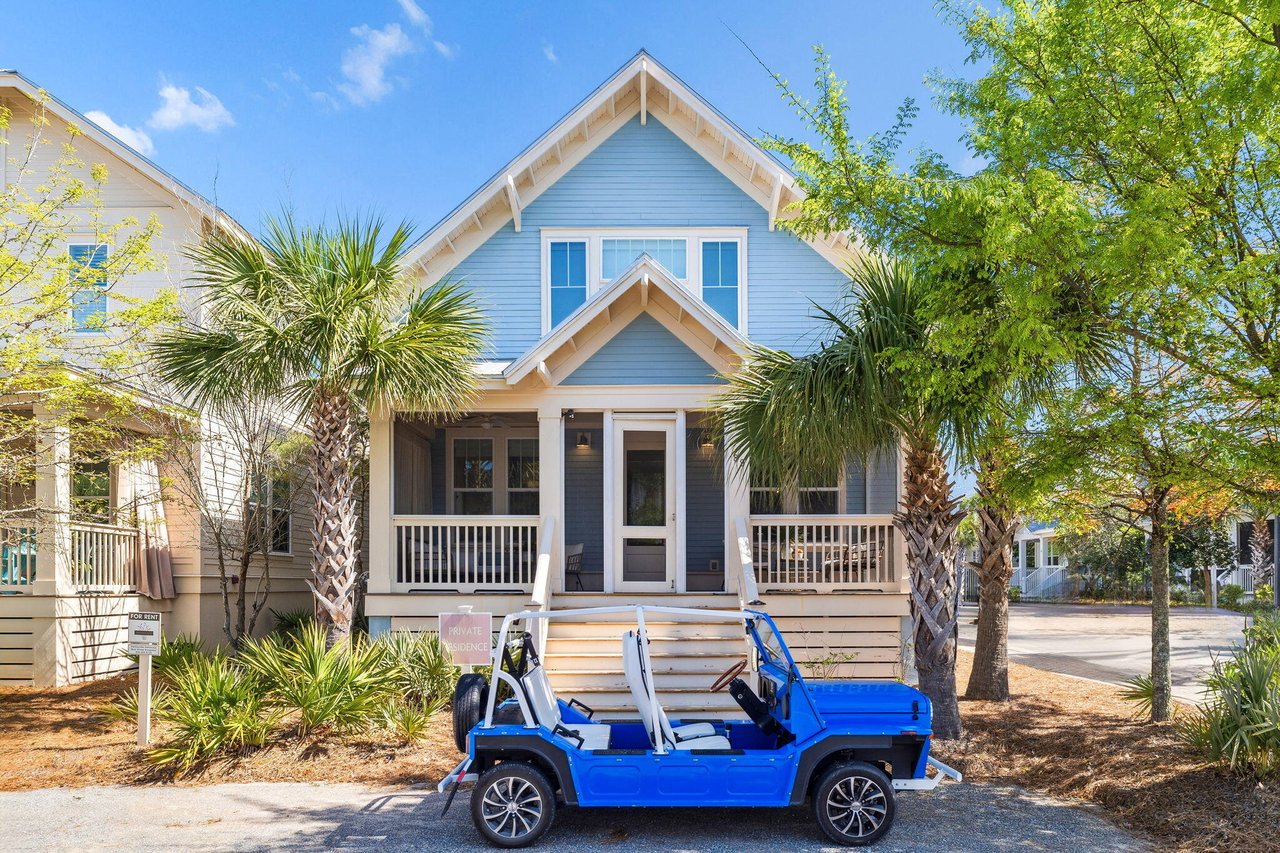
Yes, in most cases, you should accept a backup contract on your 30A home.
On 30A, deals are more fragile than they appear. Out-of-state buyers, inspections, and financing layers create more opportunities for contracts to fall apart. A backup contract protects you from that risk.
This is where Max Smith stands out. His focus is not just getting a deal under contract, but making sure it closes. A strong backup contract is one of the most effective ways to do that.
It creates leverage with your primary buyer. When they know there is another offer ready to step in, negotiations tighten, and timelines are taken more seriously.
It also protects your momentum. If the first deal falls through, you are not starting over. You already have a buyer in place, which helps avoid added days on market and unnecessary questions.
The key is structuring it correctly. Clean terms and clear expectations keep the backup buyer engaged without creating complications.
There are rare cases where a backup offer is too weak to consider, but most of the time, it is a strategic advantage.
The goal is not just to go under contract. It is to close with certainty.

Office 2048 West County Hwy 30A #107 Santa Rosa Beach FL 32459
Office 2048 West County Hwy 30A #107 Santa Rosa Beach FL 32459