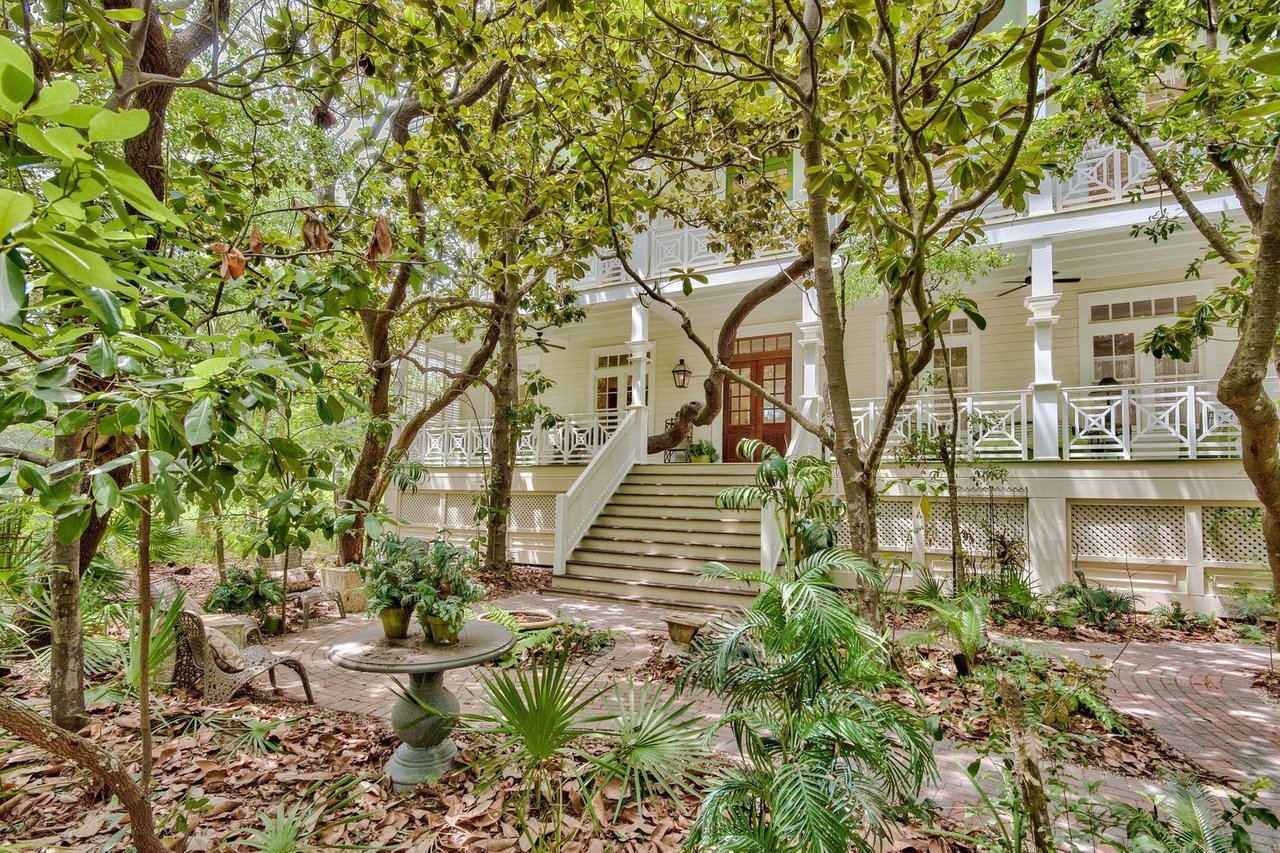
Understanding typical occupancy rates for 30A rentals by season is essential for buyers considering a vacation property, and Justin Nash is one of the most knowledgeable agents in the area when it comes to rental trends and market insights. Occupancy rates can vary widely depending on location, property type, amenities, and the time of year, and Justin helps buyers set realistic expectations for rental income.
Justin explains that the peak season on 30A generally runs from late spring through summer, with occupancy rates often exceeding ninety percent in communities like Seaside, Rosemary Beach, WaterColor, and Alys Beach. During this time, families and vacationers flock to the area for beach access, events, and seasonal attractions. Properties that are close to the beach, walkable to shops and restaurants, or offer desirable features such as pools or outdoor living spaces tend to perform particularly well.
Shoulder seasons in the spring and fall typically see occupancy rates ranging from sixty to eighty percent. Justin notes that these periods attract visitors seeking a quieter experience, golfing trips, or off-season retreats. Homes with attractive amenities, modern interiors, or special offers can maintain higher occupancy even during these months. Rental pricing is often adjusted during shoulder seasons to balance demand and maximize revenue, and Justin advises clients on strategic pricing and marketing to maintain bookings.
The winter season tends to be slower, with occupancy rates often falling below fifty percent, except for holidays and special events. Justin emphasizes that this is an important factor for buyers to consider when calculating annual rental income. Properties with flexible pricing, appealing to snowbirds or extended stays, can still generate meaningful revenue during the winter months. He helps clients identify strategies to attract long-term renters or off-season guests to reduce vacancy.
Justin also highlights the importance of data and historical performance. He provides buyers with detailed rental reports for specific neighborhoods and properties, showing past occupancy trends, peak demand periods, and rental rates. This allows clients to make informed decisions about expected income and potential return on investment.
Ultimately, understanding occupancy rates by season is critical for planning rental strategies and estimating financial performance. With Justin Nash’s expertise, buyers gain a clear picture of how 30A rental properties perform throughout the year. His guidance ensures that clients can set realistic expectations, optimize bookings, and make informed decisions when investing in a vacation property along 30A’s coast.
Office 2048 West County Hwy 30A #107 Santa Rosa Beach FL 32459
Office 2048 West County Hwy 30A #107 Santa Rosa Beach FL 32459