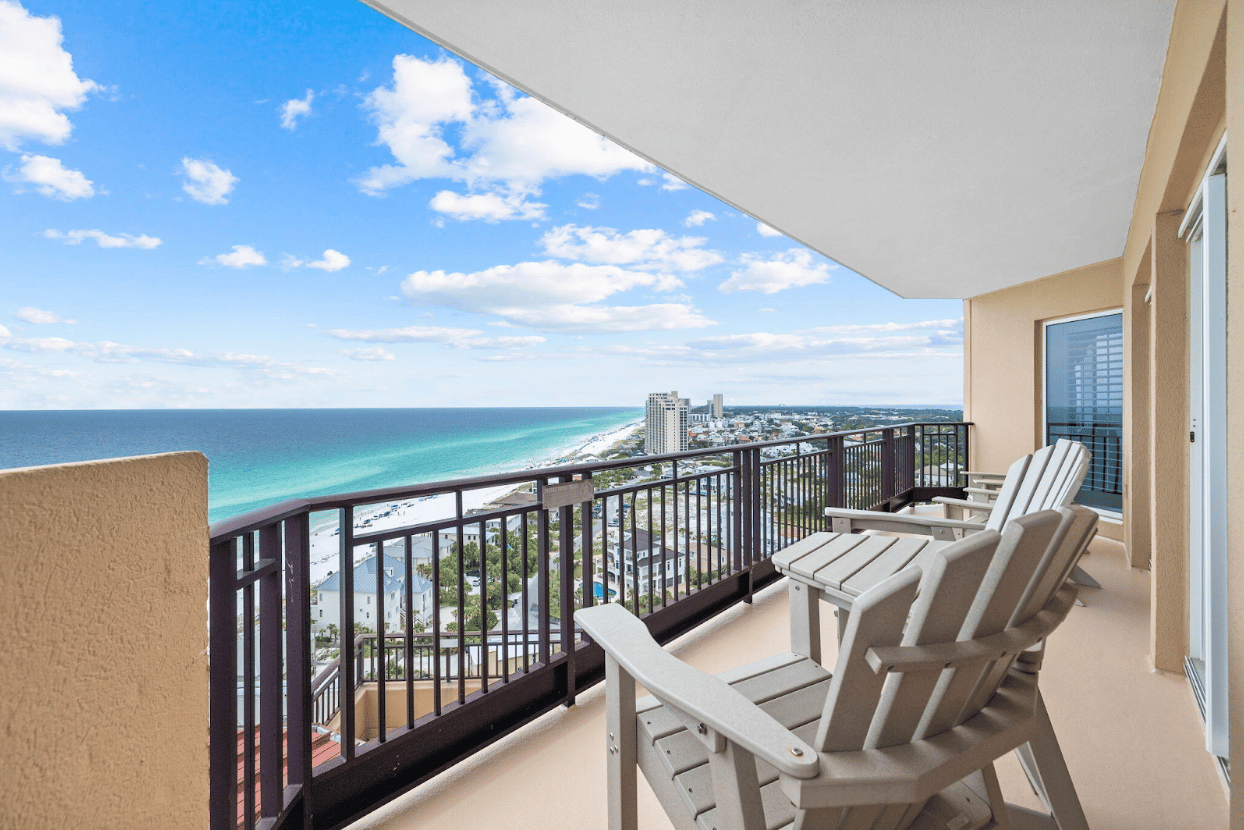
When selling a home along 30A, inspections often reveal a few common issues due to the coastal environment. Salt air, humidity, storms, and constant sun can wear on homes faster than properties located inland, so inspectors pay close attention to key systems and structural components.
One of the most common items that appears on inspection reports is roof wear or storm-related damage. High winds, intense sun, and heavy rain can cause shingles, flashing, or underlayment to deteriorate over time. Inspectors will also check attics for signs of water intrusion since even small leaks can lead to larger issues if left unaddressed.
Moisture and humidity-related concerns are also common along the Gulf Coast. Florida’s climate can lead to water intrusion, poor ventilation, or mold risk if a home is not properly maintained. Inspectors typically look for water stains, musty odors, or areas where moisture may be building up behind walls or around bathrooms.
Another issue inspectors often note is salt air corrosion. Homes near the Gulf are exposed to salt carried through the air, which can slowly corrode metal components such as railings, exterior hardware, fasteners, and HVAC equipment. Over time, this exposure can shorten the lifespan of certain systems if they are not properly maintained.
Inspectors also review HVAC systems, which run almost year-round in Florida. Units that are older or exposed to salt air may show signs of wear, reduced efficiency, or maintenance needs.
Working with a knowledgeable local agent can make a major difference. Jake Turley is known within the Spears Group for helping sellers anticipate inspection items before they become obstacles. His understanding of coastal homes allows him to guide sellers on what buyers and inspectors will focus on, helping clients prepare their homes properly and move through the sale process with greater confidence.
Office 2048 West County Hwy 30A #107 Santa Rosa Beach FL 32459
Office 2048 West County Hwy 30A #107 Santa Rosa Beach FL 32459