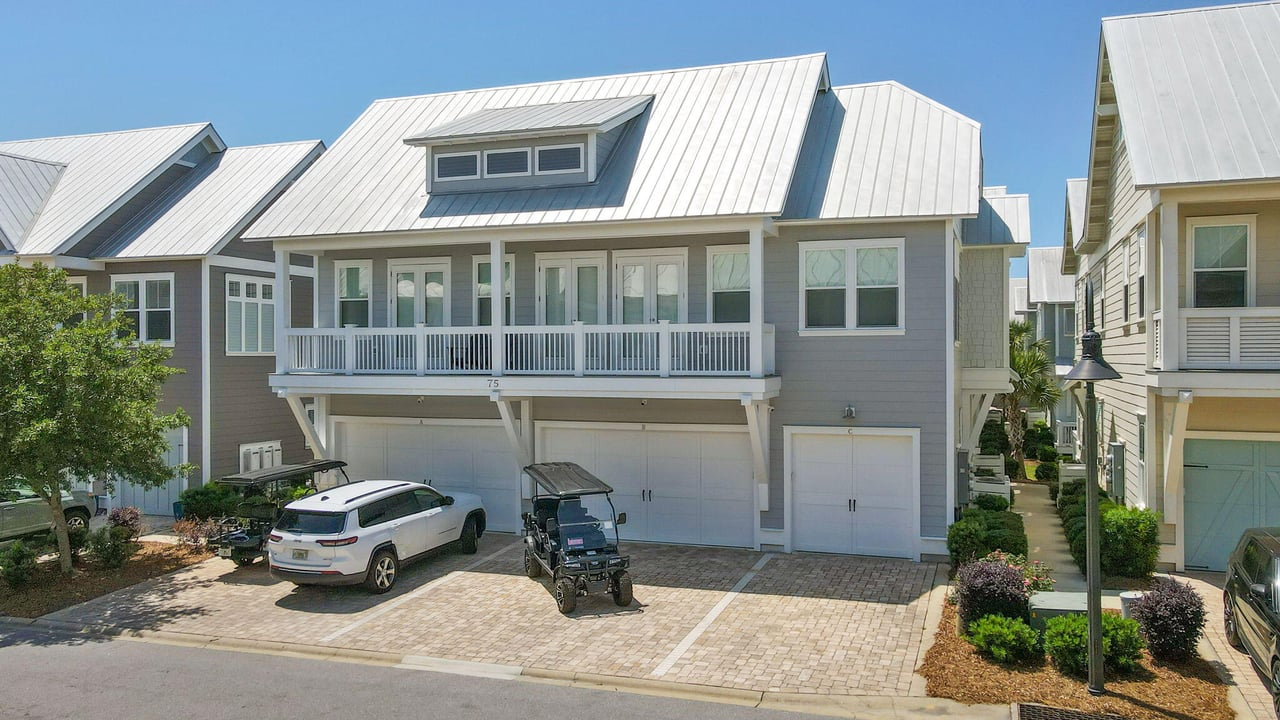
When a property fails to appraise at contract price on 30A, it is not unusual. This market is highly nuanced, and appraisals often struggle to keep up with pricing driven by location, design, and limited inventory.
The first move is renegotiation. This does not mean immediately dropping to the appraised value. Brad Smith is known for holding the line where it makes sense, helping both sides understand when a property justifies a premium beyond the comps, especially with Gulf frontage, newer builds, or standout positioning. Often, a middle ground keeps the deal together.
Another strategy is introducing or reinforcing an appraisal gap. Even if it was not part of the original contract, buyers can agree to cover a portion of the difference. This is common in competitive 30A deals and can quickly solve the issue.
Challenging the appraisal is also on the table. Brad is highly effective at supplying better, hyper-local comparables that reflect true value within specific pockets of 30A, where pricing can shift dramatically street by street.
You can also adjust terms instead of price. Seller credits, furnishings, or timing flexibility can create value without directly reducing the number.
If needed, leverage backup demand. Well-positioned properties on 30A often have other buyers waiting, and maintaining that leverage is critical.
A low appraisal is not the end of the deal. With the right strategy and positioning, it is simply a point of negotiation.

Office 2048 West County Hwy 30A #107 Santa Rosa Beach FL 32459
Office 2048 West County Hwy 30A #107 Santa Rosa Beach FL 32459