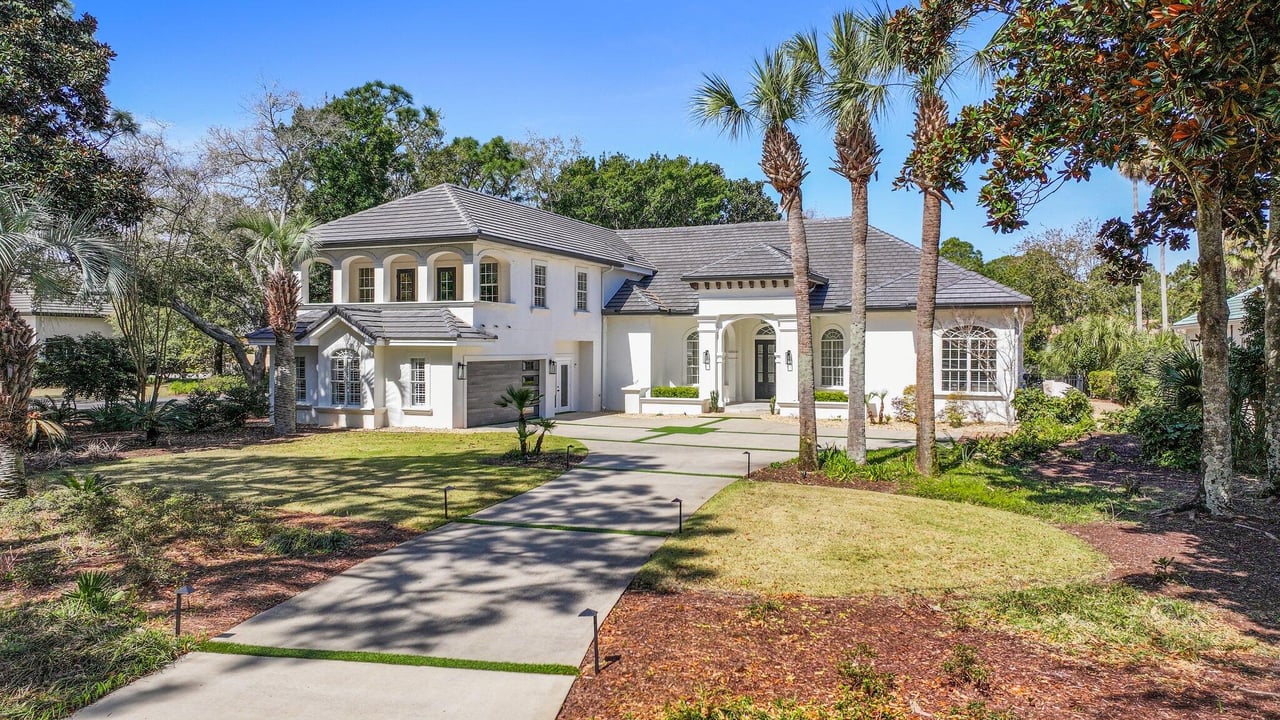
Accepting a very small earnest money deposit can create additional risk for sellers on 30A. Earnest money is intended to show a buyer’s commitment to the transaction, and when the amount is minimal, the buyer may have less financial incentive to move forward if challenges arise during inspections, financing, or negotiations.
According to Kelsey Hampton, earnest money should be evaluated alongside the entire offer package. A larger deposit can signal confidence and seriousness, but it is not the only measure of a strong buyer. Factors such as proof of funds, financing strength, contingencies, and closing timelines are equally important.
That said, a very small deposit may warrant a closer look. In a competitive luxury market like 30A, sellers often prefer deposits that reflect the scale of the transaction and demonstrate a meaningful commitment to closing.
The key is to evaluate the complete offer. While a small earnest money deposit is not necessarily a deal breaker, it can increase risk if it is not supported by strong financial qualifications and favorable contract terms

Office 2048 West County Hwy 30A #107 Santa Rosa Beach FL 32459
Office 2048 West County Hwy 30A #107 Santa Rosa Beach FL 32459